Managing Business Waste in West London: Strategies for a Sustainable Future

Introduction to Business Waste
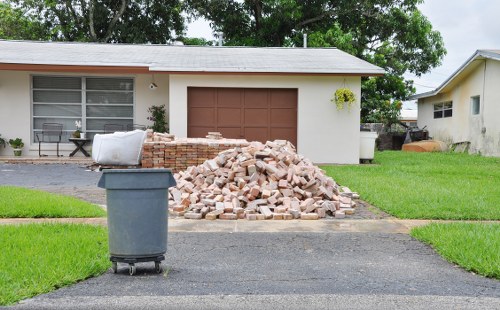
A residential driveway in front of a white single-storey house with a brown garage door and large window, where a pile of light-colored bricks and construction debris is stacked, partially on a concrete surface. To the left of the brick pile, a grey wheeled rubbish bin is positioned on the driveway. The surrounding area features well-maintained green grass on either side of the driveway, and a small shrub is visible growing on the right side of the garage wall. In the background, trees with green foliage extend above the house, indicating a suburban neighbourhood. The scene is captured in natural daylight, giving a clear view of the materials and environment, reflecting typical rubbish removal activities handled by Waste Removal West London in the context of domestic property clearance.

In the bustling area of West London, businesses contribute significantly to the local economy. However, with growth comes the inevitable challenge of managing business waste. Effective waste management is not only crucial for maintaining a clean environment but also for ensuring compliance with local regulations and promoting sustainability.

Business waste encompasses a variety of materials, including office paper, packaging materials, electronic waste, and more. Proper disposal and recycling of these materials can reduce environmental impact and lead to cost savings for businesses.

Understanding the types of waste generated and implementing appropriate waste management strategies are essential steps towards achieving a sustainable business model.

Types of Business Waste
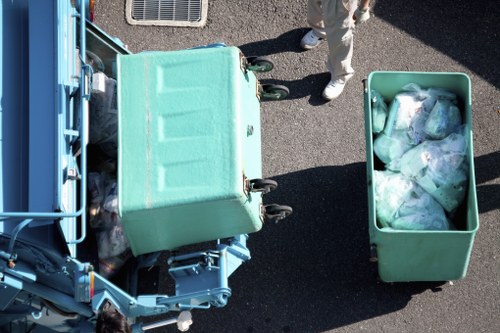
An overhead view of a green waste container filled with mixed waste, including plastic bottles and bags, situated on a paved surface in an outdoor area. Adjacent is a larger, partially visible blue refuse collection vehicle with a hydraulic arm attached, ready for waste collection. To the right, a compartmentalised green bin contains additional waste, with a person wearing white trousers and shoes standing nearby, possibly overseeing the collection process. The scene appears to be in a commercial or residential driveway, typical for rubbish removal services provided by Waste Removal West London, serving areas like West London and nearby postcode regions. The environment is well-lit, likely daytime, with a focus on waste disposal and collection activities in a professional, urban setting.

Businesses in West London produce several categories of waste, each requiring specific handling and disposal methods. The primary types include:

  • Paper and Cardboard: Common in offices, this waste can be recycled to make new paper products.
  • Plastics: Packaging materials and office supplies made of plastic need specialized recycling processes.
  • Electronic Waste: Old computers, printers, and other electronics contain hazardous materials and should be disposed of responsibly.
  • Food Waste: Restaurants and food-related businesses generate organic waste that can be composted.
  • Chemical Waste: Industries producing chemicals must adhere to strict disposal regulations to prevent environmental contamination.

Identifying the types of waste your business produces is the first step in developing an effective waste management plan.

Regulations and Compliance

A young woman with long blonde hair, styled in a side braid, is wearing a green short-sleeved top and a grey and white striped apron. She is holding up a white rectangular sign with a large green recycling symbol consisting of three arrows arranged in a triangle. The woman is standing against a plain white background, and she has a neutral facial expression. The image emphasizes environmentally conscious themes related to waste and recycling, aligning with rubbish removal services such as those provided by Waste Removal West London. The scene is well-lit, with the focus on the woman and the recycling symbol she displays, representing the importance of proper waste management practices in the West London area, including local efforts around postcodes like W and surrounding districts.

West London businesses must comply with local and national waste management regulations to avoid penalties and ensure environmental protection. Key regulations include:

  1. The Environmental Protection Act 1990: Governs waste management and sets guidelines for disposal and recycling.
  2. Waste Electrical and Electronic Equipment (WEEE) Regulations: Focuses on the proper disposal of electronic waste.
  3. The Control of Substances Hazardous to Health (COSHH): Ensures the safe handling and disposal of hazardous materials.
  4. Local Council Waste Regulations: Specific rules set by West London boroughs regarding waste collection and recycling.

Staying informed about these regulations and ensuring compliance is vital for maintaining your business’s reputation and operational integrity.

Effective Waste Management Strategies
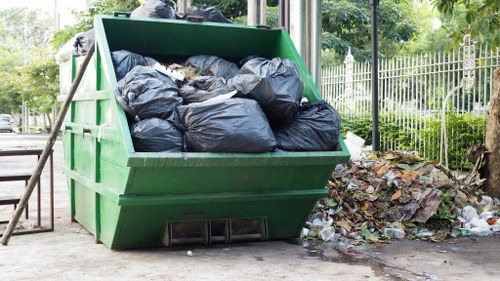
A large, green metal skip filled with black plastic rubbish bags, located outdoors on a paved surface next to a park or garden area. The skip is positioned near a metal fence and trees, with some waste spilling out onto the ground nearby. The bags inside the skip appear to contain household or garden waste, and the environment suggests a residential or urban setting in West London. Visible in the background are greenery, a pathway, and a wooden pole leaning against the skip, which relates to waste collection or rubbish removal services such as those provided by Waste Removal West London. The overall scene is well-lit with natural daylight, highlighting the texture of the skip's metallic surface and the crumpled plastic bags, emphasizing the practical aspect of rubbish disposal typical in local waste management tasks.

Implementing effective waste management strategies can help West London businesses reduce costs, improve efficiency, and contribute to environmental sustainability. Key strategies include:

  • Waste Audits: Regularly assessing the types and amounts of waste produced to identify areas for improvement.
  • Recycling Programs: Establishing comprehensive recycling systems for paper, plastics, electronics, and other materials.
  • Reducing Waste: Minimizing waste generation through practices like digital documentation and efficient packaging.
  • Partnering with Recycling Firms: Collaborating with local waste management companies to ensure proper disposal and recycling.
  • Employee Training: Educating staff on waste reduction practices and the importance of sustainability.

Adopting these strategies can lead to significant improvements in waste reduction and overall business sustainability.

Choosing the Right Waste Management Partner
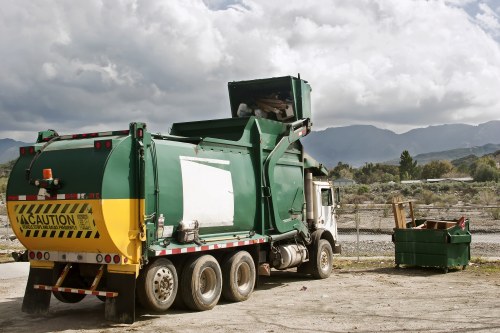
A large green waste collection truck with a yellow caution stripe on the rear, parked on a gravel surface with its rear compactor lifted, exposing the empty waste compartment. A green waste skip with wooden handles is positioned nearby on the right side of the image, filled with mixed rubbish. The surrounding environment includes an open outdoor area with a chain-link fence, distant hills, and a partly cloudy sky overhead, suggesting a rural or semi-industrial setting. The scene visually represents rubbish removal and waste management services, with the company's vehicle and equipment indicating professional waste collection in a typical outdoor context that could relate to West London waste services, as referenced on the website wasteremovalwestlondon.co.uk for managing business waste in the region.

Selecting a reliable waste management partner is crucial for effective waste handling. When choosing a partner in West London, consider the following factors:

  • Experience and Expertise: Look for companies with a proven track record in managing business waste.
  • Range of Services: Ensure they offer comprehensive services, including recycling, disposal, and compliance assistance.
  • Environmental Credentials: Choose partners committed to sustainable practices and environmental responsibility.
  • Cost-Effectiveness: Evaluate pricing structures to find services that fit your budget without compromising quality.
  • Customer Support: Reliable customer service is essential for addressing any issues promptly.

Partnering with the right waste management company can streamline your waste processes and support your business’s sustainability goals.

Benefits of Professional Waste Management

A residential driveway in front of a white single-storey house with a brown garage door and large window, where a pile of light-colored bricks and construction debris is stacked, partially on a concrete surface. To the left of the brick pile, a grey wheeled rubbish bin is positioned on the driveway. The surrounding area features well-maintained green grass on either side of the driveway, and a small shrub is visible growing on the right side of the garage wall. In the background, trees with green foliage extend above the house, indicating a suburban neighbourhood. The scene is captured in natural daylight, giving a clear view of the materials and environment, reflecting typical rubbish removal activities handled by Waste Removal West London in the context of domestic property clearance.

Engaging professional waste management services offers numerous benefits for businesses in West London, including:

  • Cost Savings: Efficient waste handling can reduce the costs associated with disposal and recycling.
  • Environmental Impact: Proper waste management minimizes your business’s carbon footprint and promotes environmental stewardship.
  • Compliance Assurance: Professional services ensure adherence to all relevant regulations, avoiding potential fines.
  • Employee Productivity: A clean and organized workplace fosters better employee morale and productivity.
  • Reputation Enhancement: Demonstrating commitment to sustainability can enhance your business’s reputation among customers and partners.

These benefits highlight the importance of investing in professional waste management solutions.

Innovative Waste Solutions

An overhead view of a green waste container filled with mixed waste, including plastic bottles and bags, situated on a paved surface in an outdoor area. Adjacent is a larger, partially visible blue refuse collection vehicle with a hydraulic arm attached, ready for waste collection. To the right, a compartmentalised green bin contains additional waste, with a person wearing white trousers and shoes standing nearby, possibly overseeing the collection process. The scene appears to be in a commercial or residential driveway, typical for rubbish removal services provided by Waste Removal West London, serving areas like West London and nearby postcode regions. The environment is well-lit, likely daytime, with a focus on waste disposal and collection activities in a professional, urban setting.

The landscape of waste management is evolving, with innovative solutions emerging to address contemporary challenges. Some of these include:

  • Zero Waste Initiatives: Aiming to eliminate all waste through comprehensive recycling, reusing, and reducing efforts.
  • Smart Waste Management: Utilizing technology such as sensors and data analytics to optimize waste collection and processing.
  • Circular Economy Models: Designing business operations that keep resources in use for as long as possible, extracting maximum value before disposal.
  • Biodegradable Materials: Replacing traditional materials with biodegradable alternatives to reduce environmental impact.
  • Energy Recovery: Converting waste materials into energy through processes like incineration and anaerobic digestion.

Adopting these innovative solutions can position your business at the forefront of sustainable practices.

Case Studies: Success Stories in West London

A young woman with long blonde hair, styled in a side braid, is wearing a green short-sleeved top and a grey and white striped apron. She is holding up a white rectangular sign with a large green recycling symbol consisting of three arrows arranged in a triangle. The woman is standing against a plain white background, and she has a neutral facial expression. The image emphasizes environmentally conscious themes related to waste and recycling, aligning with rubbish removal services such as those provided by Waste Removal West London. The scene is well-lit, with the focus on the woman and the recycling symbol she displays, representing the importance of proper waste management practices in the West London area, including local efforts around postcodes like W and surrounding districts.

Several businesses in West London have successfully implemented effective waste management practices, serving as models for others. For instance:

  • TechCorp Solutions: By partnering with a local recycling firm, TechCorp significantly reduced its electronic waste and achieved a 50% increase in recycling rates.
  • GreenGrocery: This supermarket chain implemented comprehensive food waste composting, reducing landfill contributions and lowering disposal costs.
  • DesignStudio: Embracing digital documentation and sustainable materials, DesignStudio minimized its paper and plastic waste, enhancing its eco-friendly image.

These success stories demonstrate the tangible benefits of proactive waste management.

Challenges in Business Waste Management

A large, green metal skip filled with black plastic rubbish bags, located outdoors on a paved surface next to a park or garden area. The skip is positioned near a metal fence and trees, with some waste spilling out onto the ground nearby. The bags inside the skip appear to contain household or garden waste, and the environment suggests a residential or urban setting in West London. Visible in the background are greenery, a pathway, and a wooden pole leaning against the skip, which relates to waste collection or rubbish removal services such as those provided by Waste Removal West London. The overall scene is well-lit with natural daylight, highlighting the texture of the skip's metallic surface and the crumpled plastic bags, emphasizing the practical aspect of rubbish disposal typical in local waste management tasks.

Despite the benefits, businesses often encounter challenges in managing waste effectively. Common obstacles include:

  • Cost Constraints: Initial investments in waste management systems can be high, deterring some businesses.
  • Lack of Awareness: Limited knowledge about proper waste disposal methods hinders effective management.
  • Regulatory Complexity: Navigating the myriad of local and national regulations can be daunting.
  • Employee Engagement: Ensuring all staff members adhere to waste reduction practices requires ongoing effort.
  • Technological Barriers: Access to and implementation of advanced waste management technologies can be challenging.

Addressing these challenges requires strategic planning, education, and investment in appropriate resources.

Future Trends in Waste Management

A large green waste collection truck with a yellow caution stripe on the rear, parked on a gravel surface with its rear compactor lifted, exposing the empty waste compartment. A green waste skip with wooden handles is positioned nearby on the right side of the image, filled with mixed rubbish. The surrounding environment includes an open outdoor area with a chain-link fence, distant hills, and a partly cloudy sky overhead, suggesting a rural or semi-industrial setting. The scene visually represents rubbish removal and waste management services, with the company's vehicle and equipment indicating professional waste collection in a typical outdoor context that could relate to West London waste services, as referenced on the website wasteremovalwestlondon.co.uk for managing business waste in the region.

The future of waste management in West London is poised to be shaped by several emerging trends:

  • Sustainable Packaging: Increased use of eco-friendly packaging materials to reduce plastic waste.
  • Advanced Recycling Technologies: Innovations that enhance the efficiency and effectiveness of recycling processes.
  • Legislation and Policy Changes: Stricter regulations aimed at minimizing waste and promoting sustainability.
  • Increased Corporate Responsibility: Businesses taking proactive roles in sustainability initiatives and carbon footprint reduction.
  • Community Engagement: Collaborative efforts between businesses and local communities to address waste management challenges collectively.

Staying ahead of these trends will enable businesses to remain compliant and competitive in an evolving environmental landscape.

Conclusion

A residential driveway in front of a white single-storey house with a brown garage door and large window, where a pile of light-colored bricks and construction debris is stacked, partially on a concrete surface. To the left of the brick pile, a grey wheeled rubbish bin is positioned on the driveway. The surrounding area features well-maintained green grass on either side of the driveway, and a small shrub is visible growing on the right side of the garage wall. In the background, trees with green foliage extend above the house, indicating a suburban neighbourhood. The scene is captured in natural daylight, giving a clear view of the materials and environment, reflecting typical rubbish removal activities handled by Waste Removal West London in the context of domestic property clearance.

Effective management of business waste in West London is essential for fostering a sustainable environment, ensuring regulatory compliance, and achieving economic benefits. By understanding the types of waste, adhering to regulations, implementing strategic waste management practices, and embracing innovative solutions, businesses can significantly reduce their environmental impact and enhance their operational efficiency.

Investing in professional waste management services and staying informed about future trends will position your business for long-term success and sustainability.

Contact us today to learn how we can help your business implement effective waste management strategies.

Frequently Asked Questions

We utilize state-of-the-art equipment and industry-approved methods to ensure efficient and safe business waste disposal. Our fleet includes modern trucks equipped with GPS tracking for timely pickups, and we employ eco-friendly techniques to minimize environmental impact. Trust our experienced team to handle your waste responsibly. Contact our team for a quick quote.

Yes, we are accredited by leading industry bodies such as the Environmental Protection Agency (EPA) and the Waste Management Accreditation Scheme (WMAS). These accreditations demonstrate our commitment to maintaining high standards in waste management practices. Partner with a trusted provider that meets all regulatory requirements.

Absolutely. We are fully certified and insured to handle all types of business waste, ensuring complete legal compliance. Our certifications include ISO 14001 for environmental management, and our comprehensive insurance covers any potential liabilities. Choose a licensed and reliable waste management partner.

Our recycling rate exceeds 80%, reflecting our strong commitment to environmental responsibility. We prioritize recycling and diverting waste from landfills by partnering with certified recycling facilities. Our transparent reporting allows you to track your waste management's positive impact. Let us help your business go green.

With over 15 years of experience in the industry, we have built a proven track record of reliable and efficient business waste services. Our long-standing presence demonstrates our expertise and dedication to customer satisfaction. Rely on our seasoned professionals for your waste management needs.

Yes, safety is our top priority. We adhere to strict safety protocols and use secure handling practices to protect your employees and premises during waste collection and disposal. Our trained staff ensures a safe and hassle-free experience. Trust us to maintain a safe working environment for your business.

We offer competitive and flexible pricing tailored to fit the budgets of small businesses. Our affordable waste management solutions ensure you receive high-quality service without breaking the bank. Get in touch with us to discuss a plan that suits your specific needs and budget.

Absolutely. We pride ourselves on transparency by providing detailed reports and clear communication about our waste management processes. Our honest approach ensures you are always informed about how your waste is handled and recycled. Choose a provider you can rely on for straightforward and trustworthy service.

We are committed to ethical waste disposal by adhering to all regulations, prioritizing recycling, and minimizing environmental impact. Our practices include responsible sourcing, proper waste segregation, and partnering with certified recycling facilities. Trust us to manage your waste with integrity and care.

Finding the best business waste service is easy with our comprehensive solutions tailored to your location. We offer prompt pickups, reliable service, and personalized plans to meet your business needs. Contact us today to discover the top-rated waste management services available in your area.

Choosing our trusted business waste solutions ensures reliable service, compliance with regulations, and a commitment to environmental sustainability. Benefits include cost-effective pricing, professional handling, and a high recycling rate. Let us help your business maintain a clean and responsible waste management system.

Our services enhance sustainability by maximizing recycling efforts and reducing landfill waste. We implement eco-friendly practices, use sustainable equipment, and continuously seek ways to minimize our environmental footprint. Partner with us to support your business's sustainability goals and make a positive impact.
Waste Removal West London

Explore effective strategies for managing business waste in West London. Learn about types, regulations, and innovative solutions to ensure sustainability and compliance.

Book Your Service Now

Get In Touch With Us.

Please fill out the form below to send us an email and we will get back to you as soon as possible.